
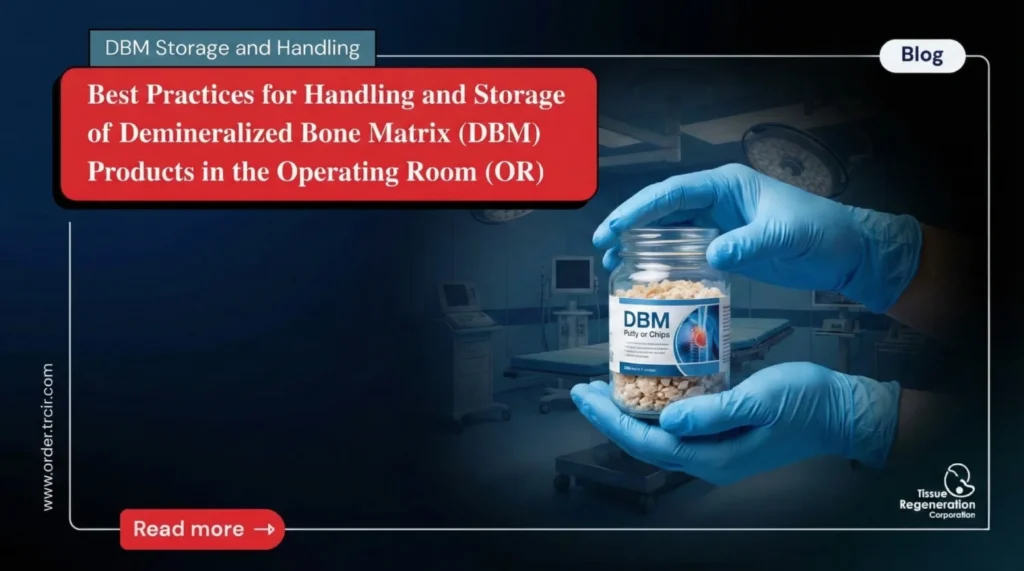
In the high-stakes environment of the Operating Room (OR), every variable counts. From the surgeon’s technique to the sterility of the instruments, the margin for error is non-existent. However, one critical factor that often flies under the radar but determines the long-term success of orthopedic and spinal procedures is the biological integrity of the bone graft. Specifically, the DBM Storage and Handling protocols employed by the hospital staff can essentially make or break the osteoinductive potential of the graft.
Demineralized Bone Matrix (DBM) is a powerful tool in modern surgery, offering a scaffold for new bone growth and the essential proteins to stimulate that growth. Yet, unlike synthetic hardware like screws or plates, DBM is a biological material. It is sensitive to temperature, moisture, and time. For medical suppliers, clinic managers, and surgical teams across Europe and the Middle East, understanding the nuances of how to store and prep these allograft products is vital.
At order.trcir.com, we are not just a supplier of premium human tissue allografts; we are partners in patient outcomes. We understand that the high-quality DBM we manufacture and export is only as effective as the condition it is in when it is implanted.
In this comprehensive guide, we will explore the best practices for DBM Storage and Handling, ensuring that the product retains its maximum biological potency from our tissue bank to your patient.
Understanding the Biological Nature of DBM
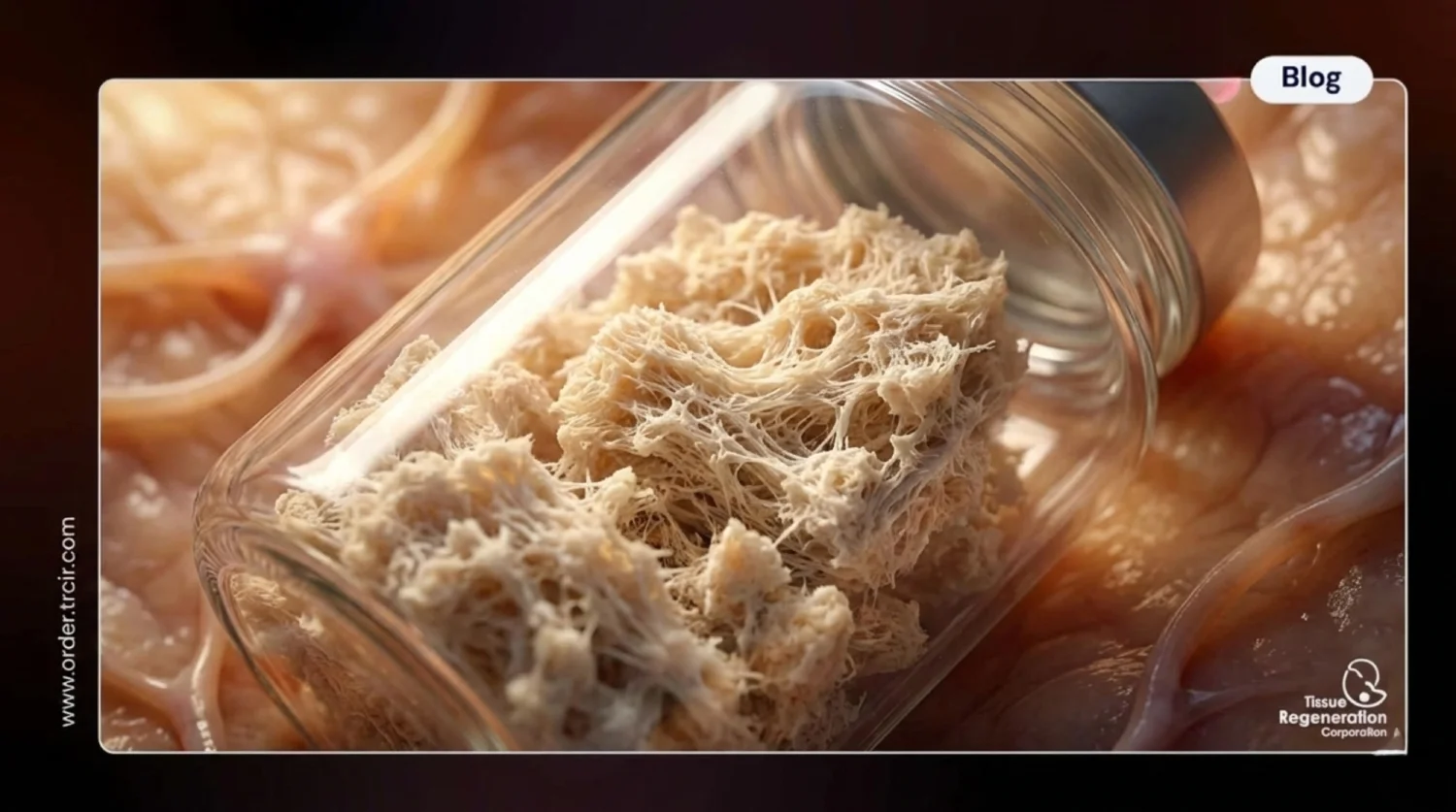
To understand why strict protocols are necessary, we must first understand what DBM is. Demineralized Bone Matrix is an allograft derived from human donor bone. Through a sophisticated processing method, the mineral component of the bone is removed (demineralized), exposing the underlying collagen matrix and, most importantly, the Bone Morphogenetic Proteins (BMPs).
These BMPs are the engine of bone healing. They provide the “osteoinductive” signal that tells the patient’s stem cells to differentiate into bone-forming cells.
However, proteins are fragile. Exposure to extreme heat, improper freezing cycles, or contamination can denature these proteins, rendering the graft biologically inert. If a DBM product is mishandled, it becomes nothing more than a passive filler, losing the very properties that make it valuable. This is why DBM Storage and Handling is not just a logistical task; it is a clinical responsibility.
Pre-Operative Best Practices: Storage and Inventory Management
The journey of a successful graft begins long before the patient is wheeled into the OR. It starts in the hospital’s central supply or tissue storage room.
Temperature Control and Monitoring
Not all DBM products are created equal, and their storage requirements vary based on the carrier used (e.g., glycerol, hyaluronic acid, or reverse phase medium).
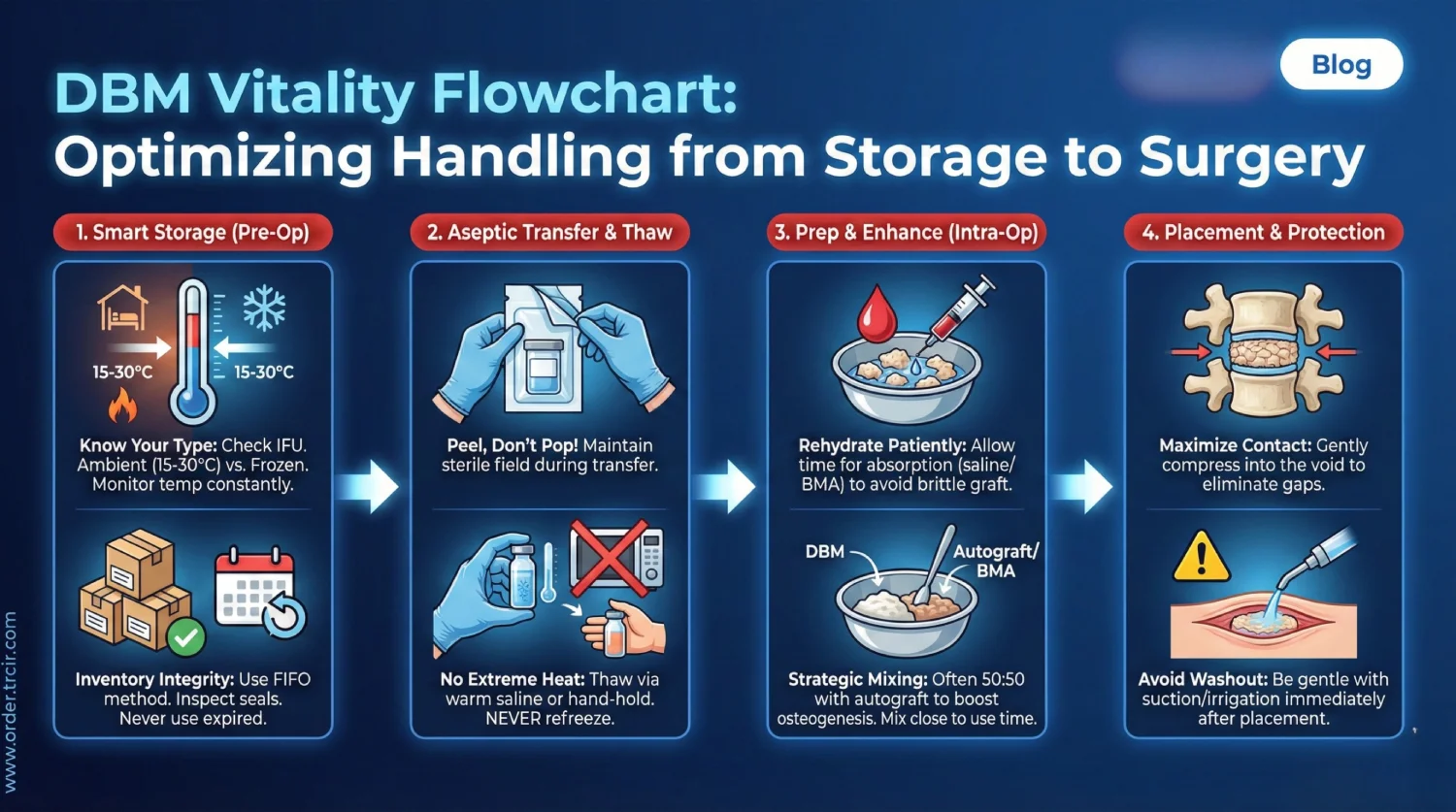
- Ambient Storage: Many modern DBM putties and pastes offered by order.trcir.com are processed to be stored at ambient room temperature (typically 15°C to 30°C). This is highly convenient for logistics but requires that the storage room is climate-controlled. Leaving these products near a heater or in a loading dock under direct sunlight can degrade the carrier and the graft.
- Frozen/Refrigerated Storage: Some DBM formulations, particularly those with specific biological carriers or combined with stem cells, may require refrigeration or freezing. For these, a continuous temperature monitoring system is mandatory. Any excursion outside the safe range must be documented.
Best Practice: Always check the Instructions for Use (IFU) on the specific box. Never assume that the storage protocol for one brand of bone graft applies to another.
Inventory Rotation and Tracking
Because DBM is a biological product, it has a shelf life. While shelf lives can range from 1 to 5 years depending on the processing method (freeze-dried vs. hydrated), using a “First In, First Out” (FIFO) system is essential.
- Expiration Management: Regular audits should be conducted to remove expired products. Using an expired graft is a regulatory violation and a patient safety risk.
- Traceability: As a provider of human tissue, order.trcir.com adheres to strict traceability standards (often using ISBT 128 coding). The hospital must maintain a log that links the unique graft ID to the patient’s medical record. This is crucial for recall procedures and long-term follow-up.
Packaging Integrity
The sterile barrier is the graft’s lifeline. Before the product is even accepted into inventory, the outer packaging must be inspected.
- Check for water damage, crushed corners, or breaches in the seal.
- Ensure that the temperature indicators (if present) show that the product stayed within the cold chain during transport.
- Store DBM products off the floor and away from potential sources of water or contamination.
Intra-Operative Best Practices: Handling in the Sterile Field
Once the product enters the OR, the responsibility shifts to the circulating nurse and the surgical scrub technician. This is the critical moment where DBM Storage and Handling protocols are put to the test.
Aseptic Transfer Techniques
Transferring the DBM from non-sterile packaging to the sterile field requires precision.
- Peel, Don’t Pop: The outer package should be peeled open carefully. “Popping” the product onto the sterile table can create air turbulence that introduces contaminants or causes the product to fall on the floor.
- Double Barrier: Most DBM products come in double sterile packaging. The circulator opens the outer layer, and the scrub tech retrieves the inner sterile package using sterile forceps or a gloved hand, ensuring no contact with the non-sterile outer edge.
Thawing and Reconstitution (If Applicable)
If you are using a frozen DBM product, proper thawing is essential.
- Avoid Hot Water: Never use hot water or a microwave to thaw a graft. High temperatures denature the BMPs.
- Controlled Thawing: Typically, frozen grafts can be thawed by holding the inner package in warm (not hot) sterile saline or simply by holding it in a gloved hand for a few minutes.
- Rehydration: Freeze-dried (lyophilized) DBM requires rehydration. This should be done with sterile saline, the patient’s own blood, or Bone Marrow Aspirate (BMA). The graft needs time to absorb the fluid to become pliable. Rushing this step can result in a brittle graft that is difficult to handle.
Enhancing the Graft
One of the advantages of the DBM putties and chips supplied by order.trcir.com is their versatility. Surgeons often mix DBM with autograft (local bone harvested from the patient).
- The Mixing Ratio: A common best practice is a 50:50 mix of DBM and autograft. The DBM extends the volume of the graft, while the autograft provides live cells.
- Adding BMA: To boost the osteogenic potential (the presence of live cells), surgeons may mix the DBM with Bone Marrow Aspirate. This creates a “super-graft” that is osteoconductive, osteoinductive, and osteogenic.
- Timing: Mix the graft as close to the time of implantation as possible. Do not let the DBM soak in blood or saline on the back table for hours, as this can wash away some of the soluble inductive proteins.
Placement and Handling Characteristics
Good DBM should resist irrigation. This means that once the surgeon packs the graft into the interbody cage or the posterolateral gutters, it should stay there.
- Compression: Gently compress the DBM into the void to ensure maximum contact with the host bone. Gaps between the graft and the host bone are the enemy of fusion.
- Irrigation: Advise the surgical team to be gentle with suction and irrigation near the graft site immediately after placement to avoid dislodging the material.
Common Mistakes in DBM Storage and Handling
Even experienced teams can make mistakes. Identifying these pitfalls is key to improving DBM Storage and Handling workflows.
- The “Just in Case” Opening: Often, a graft is opened “just in case” the surgeon needs it, but then it isn’t used. Once the sterile barrier is broken, the clock starts ticking. Most DBM products cannot be re-sterilized or saved for a later case. This leads to massive financial waste. Wait for the surgeon’s definitive command before opening high-value allografts.
- Refreezing Thawed Grafts: If a frozen DBM is thawed but not opened, can it be refrozen? In almost all cases, the answer is NO. The freeze-thaw cycle causes ice crystals to form and melt, which can shear the collagen matrix and damage the proteins.
- Ignoring the Carrier State: Some DBM putties become runny if they get too warm (above body temperature), or too stiff if they are too cold. Keeping the OR temperature regulated is important not just for the patient, but for the handling properties of the biologics.
- Over-manipulation: Excessive squeezing or wringing out of the DBM sponge or putty can remove the carrier that holds the particles together, making the graft difficult to contain at the surgical site.
Regulatory Standards and Quality Assurance
For our clients in Europe and global markets, adherence to standards is non-negotiable. DBM Storage and Handling practices in the hospital must align with the manufacturer’s validations.
At order.trcir.com, our DBM products are processed in facilities that comply with FDA regulations and AATB (American Association of Tissue Banks) standards. When exporting to Europe, we ensure compliance with relevant directives concerning human tissues.
- Validation: Our packaging is validated to maintain sterility and integrity under transport stress.
- Sterility Assurance Level (SAL): We aim for an SAL of 10^-6, ensuring the highest safety profile.
- Donor Screening: Rigorous screening ensures that the dermal matrix and bone products are free from communicable diseases.
Hospitals should maintain a “Tissue Log” that records the receipt, storage conditions, and final disposition (implanted, discarded, returned) of every graft. This is a requirement for accreditation by bodies like the Joint Commission (JCAHO) or equivalent European entities.
Why Quality Manufacturing Matters for Handling
The ease of handling in the OR is directly related to the quality of manufacturing. Cheaply made DBMs often have inconsistent carriers—one batch is runny, the next is like brick.
order.trcir.com focuses on consistency. Our DBM putties are engineered to have excellent handling characteristics:
- Cohesiveness: They stick together and do not migrate.
- Malleability: They can be molded to fit complex anatomical defects.
- Resistance: They withstand irrigation (lavage).
By choosing a high-quality supplier, you reduce the stress on the OR staff. There is no need to “fix” a bad graft on the back table; the product is ready to perform straight out of the package.
Conclusion
The success of a spinal fusion or a non-union fracture repair is multifactorial, but the biology of the graft is a cornerstone. DBM Storage and Handling are not passive background activities; they are active components of clinical care. A well-preserved DBM retains its osteoinductive power, speeding up healing and reducing the need for revision surgeries.
From ensuring strict temperature controls in the storage room to mastering the art of aseptic transfer and mixing in the OR, every step matters.
For clinics, hospitals, and distributors looking to secure a supply of reliable, high-potency DBM and human tissue products, order.trcir.com stands ready. We combine advanced biotechnology with robust logistics to ensure that when you open that box in the OR, you are delivering the best possible chance of healing to your patient.
Do not let poor handling compromise great biology. Review your protocols today, and choose a partner who values quality as much as you do.
Frequently Asked Questions (FAQ)
Can I refreeze a DBM graft if it was thawed but not opened?
Generally, no. Most manufacturers strictly prohibit refreezing. The freeze-thaw process can damage the biological integrity of the graft (both the collagen matrix and the BMPs) and may alter the physical properties of the carrier, making it unusable. Always consult the specific product’s Instructions for Use (IFU).
How long can DBM stay out on the sterile back table before implantation?
Once opened and exposed to the air or mixed with saline/blood, DBM should be implanted as soon as possible. While there is no universal “minute-by-minute” rule, prolonged exposure can lead to dehydration of the graft or an increased risk of contamination. A best practice is to prepare the graft less than 30 minutes before implantation.
What is the difference between ambient and frozen DBM storage?
Frozen DBM is typically stored at -40°C to -80°C (or standard freezer temps depending on the brand) to preserve cell viability (if cellular) or specific carrier properties. Ambient DBM is processed (often freeze-dried or using a specific carrier) to be stable at room temperature (15°C-30°C). Ambient DBM is generally preferred for easier logistics and DBM Storage and Handling in facilities with limited freezer space.
Is DBM considered sterile?
Yes, reputable DBM products are sterilized. Common methods include gamma irradiation or electron beam sterilization. However, the level of sterility (SAL) must be validated. order.trcir.com ensures all products meet rigorous sterility standards to prevent post-operative infections.
Why is the “carrier” in DBM important for handling?
The carrier (substances like glycerol, gelatin, or hyaluronic acid) dictates how the DBM feels and acts. It determines whether the product is a putty, a paste, or a gel. A good carrier improves handling by making the graft moldable and resistant to being washed away by blood or irrigation, which is vital for keeping the graft at the fusion site.
Does DBM need to be mixed with autograft?
While some DBM products can be used as stand-alone extenders in smaller voids, the “gold standard” for large fusions is mixing DBM with the patient’s own bone (autograft) or bone marrow aspirate. This combination provides the three pillars of bone healing: osteoconduction (scaffold), osteoinduction (signals from DBM), and osteogenesis (cells from autograft).
References:
- American Association of Tissue Banks (AATB). “Standards for Tissue Banking.”
- Gruskin, E., et al. (2012). “Demineralized bone matrix in bone repair: history and use.” Advanced Drug Delivery Reviews.
- Campana, V., et al. (2014). “Bone substitutes in orthopaedic surgery: from basic science to clinical practice.” Journal of Materials Science: Materials in Medicine.
- FDA Code of Federal Regulations Title 21, Part 1271 (Human Cells, Tissues, and Cellular and Tissue-Based Products).